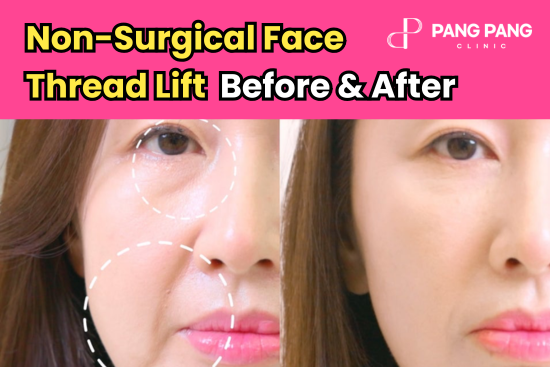

Thread Lifts Explained: Minimally Invasive PDO Thread Lift & Non-Surgical Facelift Guide
Thread Lifts Explained: A Modern, Minimally Invasive Lift for Global Patients
If the idea of having “threads” placed under your skin sounds unusual, you’re not alone. Yet thread lifting has evolved into a refined, minimally invasive technique designed to gently reposition sagging tissues and stimulate collagen—helping restore definition and firmness with little downtime. It’s a popular choice for travelers who want noticeable rejuvenation without major surgery.
What Is a Thread Lift?
- A thread lift uses biocompatible, dissolvable sutures placed beneath the skin with a fine cannula.
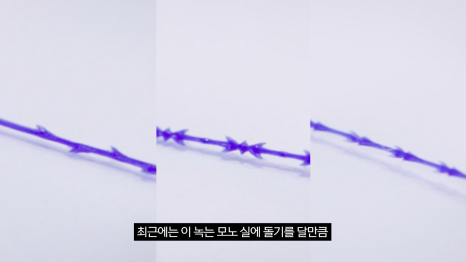
- Tiny barbs along the thread act like anchors to lift and support lax tissues.
- The threads also stimulate collagen production over time, improving firmness and skin quality.


Modern lifting threads are much finer than a human hair and engineered with remarkable precision to balance strength, safety, and comfort.
A Brief History: From Concept to Cutting-Edge
- 1990s: A plastic surgeon seeking a non-surgical alternative to facelifts pioneered the concept of lifting with special barbed sutures.
- Early 2000s: Non-absorbable polypropylene threads gained attention but raised concerns because they remained in the body permanently.
- 2010s: Polydioxanone (PDO) dissolvable threads changed the game—safe, absorbable materials used widely in surgery allowed smoother, more natural outcomes with reduced long-term concerns.
- Today: Advanced barbed, dissolvable threads (PDO, PLLA, PCL) provide stronger lift, better longevity, and a favorable safety profile.

Why Today’s Threads Are Different
- Dissolvable materials: Naturally absorbed by the body over months, minimizing long-term foreign-body concerns.
- Precision barbs: Designed to gently “catch” and elevate tissues for a more defined contour.
- Collagen support: Gradual neocollagenesis helps maintain improved firmness even after the threads dissolve.

Who Is a Good Candidate for Thread Lifts?
- Mild to moderate skin laxity of the midface, jawline, or neck
- Early jowl formation or soft-tissue descent
- Desire for lift without surgical downtime
- Generally good health with realistic expectations
Your doctor will assess skin thickness, degree of laxity, and facial anatomy to determine suitability and thread choice.
Benefits for Medical Travelers
- Minimally invasive: Typically performed under local anesthesia in 60–90 minutes.
- Quick recovery: Many patients resume light activities within 24–48 hours.
- Natural-looking enhancement: Refined lift and contour without surgical scars.
- Complementary to other treatments: Can pair with fillers, lasers, or skin-tightening for comprehensive rejuvenation.
What to Expect at Your Visit
- Consultation: Facial analysis, discussion of goals, and personalized treatment planning.
- Procedure: Local anesthetic, precise placement of threads via cannula, immediate lifting effect.
- Duration: About 60–90 minutes, depending on areas treated.
Recovery and Aftercare
- Common, temporary effects: Mild swelling, bruising, tenderness, a “tight” sensation, or minor rippling that settles within days to weeks.
- Typical precautions for 1–2 weeks:
- Avoid vigorous chewing, exaggerated facial expressions, and side-sleeping on treated areas.
- Refrain from heavy exercise, saunas, or facial massage.
Most patients notice an immediate lift, with progressive improvement in firmness over 2–3 months as collagen builds.
How Long Do Results Last?
- Immediate lift is visible post-procedure.
- Results typically last 9–18 months, depending on thread type, treatment area, lifestyle, and individual biology.
- Maintenance treatments can help sustain results over time.
Frequently Asked Questions for International Patients
- Combining treatments: Thread lifts can be coordinated with skincare, fillers, or energy devices for comprehensive results—plan with your doctor for optimal sequencing.
- Pain level: Most patients report minimal discomfort with local anesthesia.
- Scars: Entry points are tiny and typically inconspicuous.
Start Your Free Online Consultation
Note: This article was translated and published from the original with consent from the author.